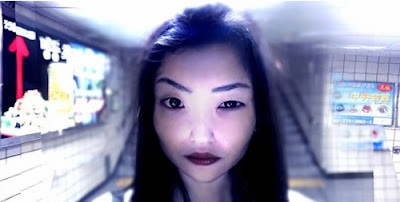

SOUND FOR ABSTRACT ANIMATION
Sound design and sound scapes for interactivity, movies, or computer game atmospheres and Sound videos.
ESCAPEING THE MUNDANE
DURATION - 2 WEEKS
PRESENTATION - WEEK 1 WEEK 2
PREFACE
When we consider art from an historical perspective there are always new concepts to communicate and new paradigms to define. Artists move across the boundaries of discipline without shifting their identities. While artistic genres continue to evolve, nothing is lost; conceptual approaches are reapplied and new ones introduced. In this course, we will explore sound art as a complex multidimensional medium situated in both physical and virtual space. The main objective is to develop the appreciation and application of the many ways that musical composers, sound artists, and visual artists have conceived of and developed sound as a unique and powerful artistic medium.
OBJECTIVE
To investigate how to record and process sound in an analagoues way similar to image processing and developing in photoshop.
Your sound scape should develop organicly and NOT musicly. You want your sound to be for and installation or movie. It could be about interactivity or atmosphere.
The Primary Objective of this project I to creat a series of 15 second sound textures to animate to in the final movie project. 12 BARS at 180BPM.
METHOD
Part One ( Week One )
Collect "noises" within a short radius of MIC made up of environmental sound including traffic, construction, people, etc. Of particular interest: machines and non traditional music style sounds.
Edit these sounds in Soundforge then transfer to cubase to test time sync to 180 BPM.
Part Two ( Week Two )
Process the recording using, Soundforge / Reaktor / Absynth or other sound processing program. And also think about processing the sound via analogue means. Then reprosess or trigger using cubase, max msp or other such DSP program.
TUTORIAL LINKS
Basic Synth Building
http://www.computermusic.co.uk/tutorial/reaktor1/reaktormain.asp
http://www.computermusic.co.uk/tutorial/reaktor1/1.asp
Reaktor Tips
http://www.soundonsound.com/sos/May02/articles/reaktortips.asp
http://www.soundonsound.com/sos/Jun02/articles/reaktortips2.asp
Native Instruments Reaktor tutorial directory
http://www.native-instruments.com/index.php?reaktortut_us
Creative Synth Tutorial Database
http://web.archive.org/web/20030210074847/www.creativesynth.com/tutorials/toc_tutorials.html
http://en.wikibooks.org/wiki/Reaktor:Tutorials
Sound design and sound scapes for interactivity, movies, or computer game atmospheres and Sound videos.
ESCAPEING THE MUNDANE
DURATION - 2 WEEKS
PRESENTATION - WEEK 1 WEEK 2
PREFACE
When we consider art from an historical perspective there are always new concepts to communicate and new paradigms to define. Artists move across the boundaries of discipline without shifting their identities. While artistic genres continue to evolve, nothing is lost; conceptual approaches are reapplied and new ones introduced. In this course, we will explore sound art as a complex multidimensional medium situated in both physical and virtual space. The main objective is to develop the appreciation and application of the many ways that musical composers, sound artists, and visual artists have conceived of and developed sound as a unique and powerful artistic medium.
OBJECTIVE
To investigate how to record and process sound in an analagoues way similar to image processing and developing in photoshop.
Your sound scape should develop organicly and NOT musicly. You want your sound to be for and installation or movie. It could be about interactivity or atmosphere.
The Primary Objective of this project I to creat a series of 15 second sound textures to animate to in the final movie project. 12 BARS at 180BPM.
METHOD
Part One ( Week One )
Collect "noises" within a short radius of MIC made up of environmental sound including traffic, construction, people, etc. Of particular interest: machines and non traditional music style sounds.
Edit these sounds in Soundforge then transfer to cubase to test time sync to 180 BPM.
Part Two ( Week Two )
Process the recording using, Soundforge / Reaktor / Absynth or other sound processing program. And also think about processing the sound via analogue means. Then reprosess or trigger using cubase, max msp or other such DSP program.
TUTORIAL LINKS
Basic Synth Building
http://www.computermusic.co.uk/tutorial/reaktor1/reaktormain.asp
http://www.computermusic.co.uk/tutorial/reaktor1/1.asp
Reaktor Tips
http://www.soundonsound.com/sos/May02/articles/reaktortips.asp
http://www.soundonsound.com/sos/Jun02/articles/reaktortips2.asp
Native Instruments Reaktor tutorial directory
http://www.native-instruments.com/index.php?reaktortut_us
Creative Synth Tutorial Database
http://web.archive.org/web/20030210074847/www.creativesynth.com/tutorials/toc_tutorials.html
http://en.wikibooks.org/wiki/Reaktor:Tutorials